The weaving village up the Mekong
A short look at the looms, cloth and dye traditions of Ban Saphai, with Don Kho across the Mekong in the same weaving story.
- From Pakse
- About 30 minutes by road
- At its best
- Dry season
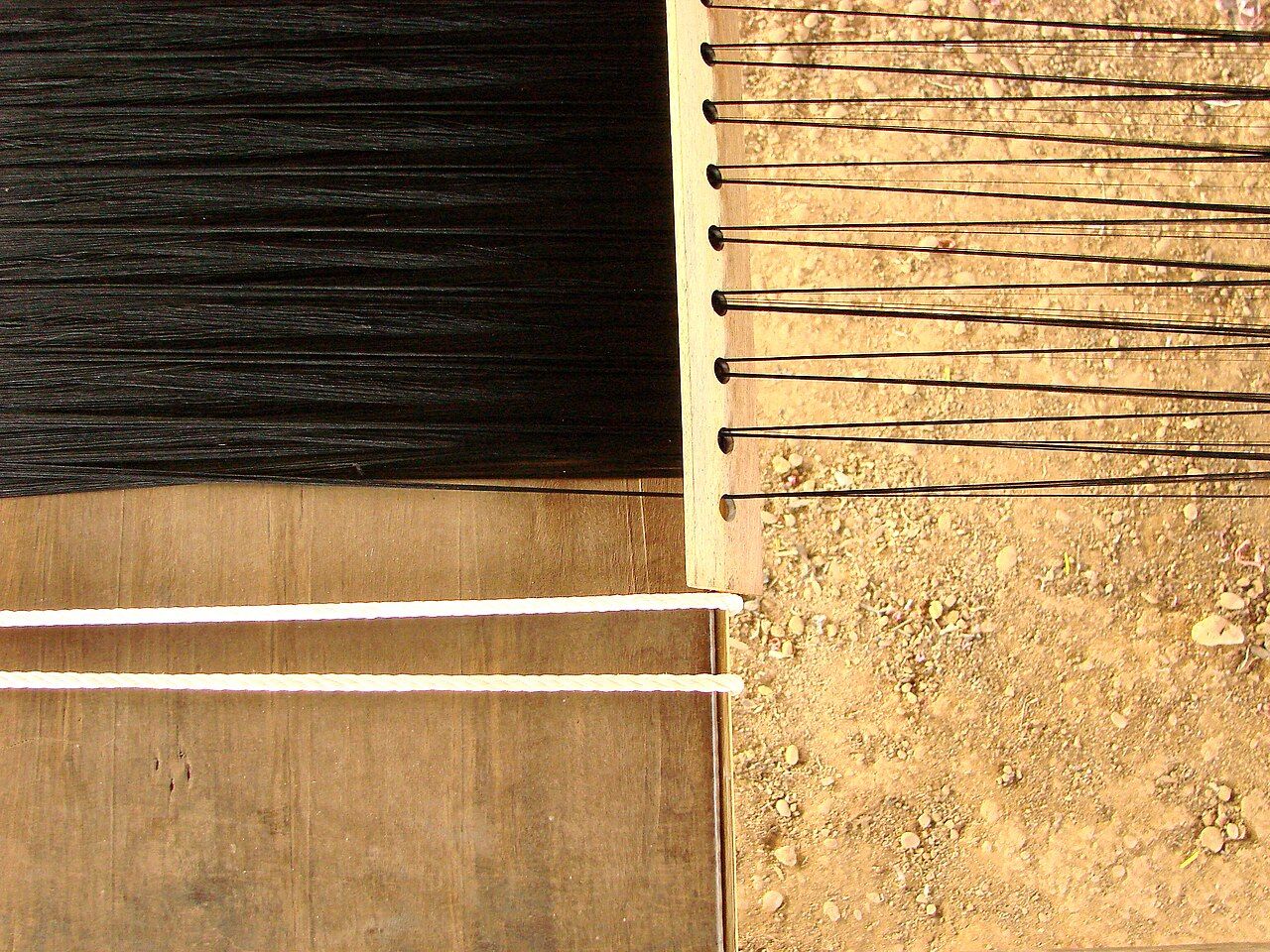
Under the stilt houses at Ban Saphai, wooden looms hold the work of the village. The Mekong is right here, and the cloth is made by hand. Round here, it’s a practical kind of scene: the work is part of the place, not set apart from it.
Ban Saphai sits on the Mekong about 15 km north of Pakse. It takes about 30 minutes by road from Pakse. A small distance on the map, then a village with a long connection to weaving.
The weavers work on wooden looms beneath their stilt houses. Ban Saphai is known for handwoven silk and cotton cloth. The looms are not a display of how cloth used to be made; this is where the work happens.
In Lao villages, weaving is done mostly by women. That’s the steady fact behind the cloth here. A finished piece carries hours of handwork, though the loom itself is plain wood and the setting is home.
The sinh is a woven tube skirt and the traditional dress of Lao women. It’s an everyday form with a clear purpose: cloth shaped for wearing. In Ban Saphai, silk and cotton are both part of the weaving tradition.
Ikat is called mat mi in Lao. The threads are tied and dyed before weaving, so the pattern is made through the preparation of the threads, not added after the cloth is finished. Easy to say. A good reminder that weaving starts well before the loom.
Natural dyes in southern Laos come from plants such as indigo and from tree bark. Opposite Ban Saphai, Don Kho is an island with weaving households of its own. The Mekong links these places in the same broad account of village cloth, with each household keeping its own work close.
For another craft story, follow beadwork woven by the Katu out east.