Pakse, Where Two Rivers Meet
Pakse's rivers set the order: the Xe Don and Mekong, then the river-shaped centre, market, temple and evening bankside life.
- From Pakse
- In Pakse
- At its best
- November to February
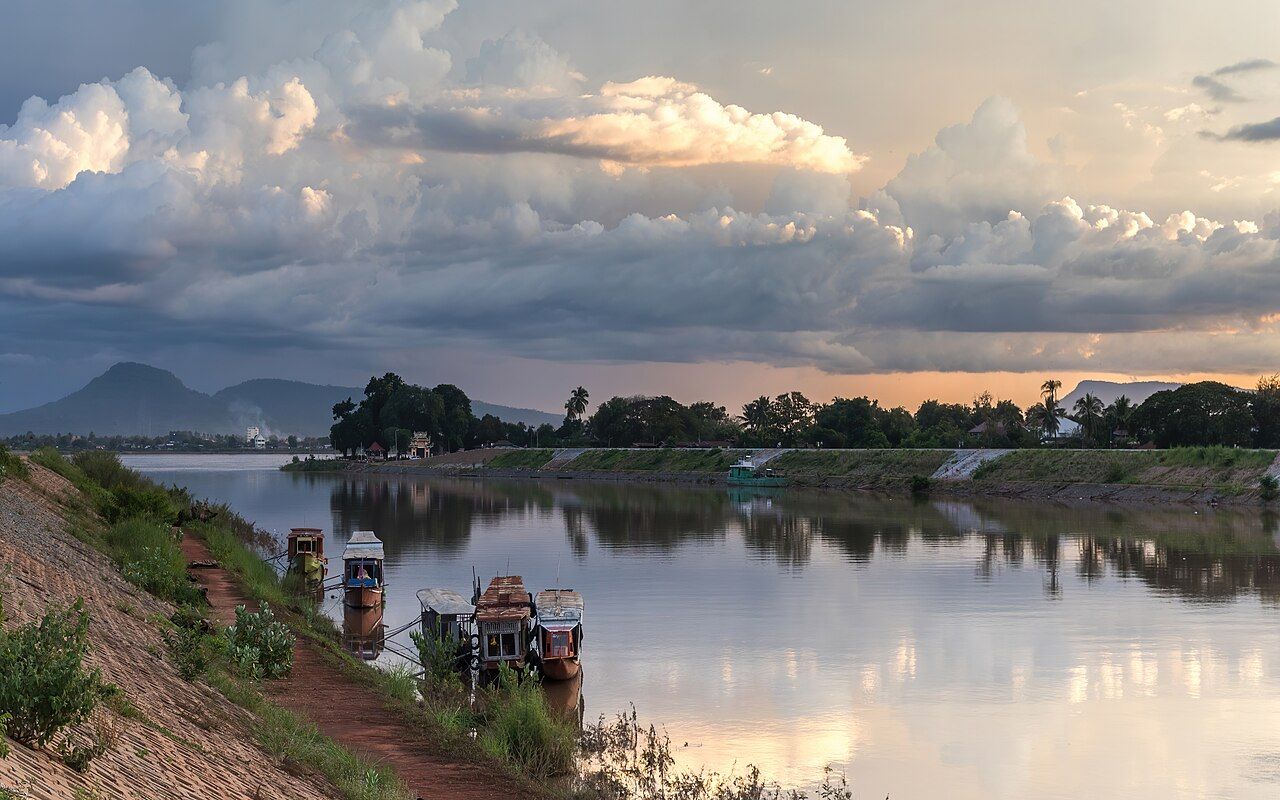
There is a small story in the name. Pakse means “mouth of the Xe” in Lao, and the town stands where the Xe Don flows into the Mekong. The joining of the rivers gives the rest of Pakse a shape: the colonial-era centre sits on the tongue of land between them. The map is simple enough to keep in mind, even when the town itself becomes the day’s business.
Start with the rivers, rather than treating Pakse only as a place to pass through. It is the capital of Champasak province and the largest town in southern Laos, but its position is the detail that makes the place easy to understand. The Xe Don comes down to meet the Mekong; the old centre occupies the land between. Two rivers, one point of reference. I like this as the first step because it gives the town a clear outline without asking it to be anything other than itself.
Next, set the town’s history beside its geography. The French founded Pakse as an administrative post in 1905. That belongs to the colonial-era centre on the tongue of land, not to some separate chapter you need to go hunting for. Pakse’s name keeps the Xe in view, while the town’s founding places its administrative past in the same riverside setting. Hold on to those two pieces together. They help explain why the centre and the meeting of the rivers belong in the same first look.
Then make room for the market. A town is not just its outline, and a market gives a different way to take in Pakse. Use the town's big daily market as one of the stops in your sequence, between getting your bearings and turning towards the river. I’d keep this part of the visit unhurried in its own way: no grand plan required, just a place in the day for the market. Pakse has a useful habit of making the practical and the memorable sit close together.
After the market, put Wat Luang on the town’s river side of the picture. It is one of Pakse’s main temples, standing beside the Xe Don. That location connects it back to the first step, so the temple needn’t feel like an unrelated item to tick off. Follow the town’s own geography from one point to another in your mind: the centre between the rivers, then Wat Luang beside the Xe. I prefer that simple thread to a list of sights with no connection between them.
Keep the Mekong for the evening. Along the riverbank in Pakse, food stalls come out and people walk. That is a clear, ordinary scene to leave space for, rather than packing the day so tightly that the rivers become a line on a map again. Pakse is a base, yes, but the town has its own rhythm to offer. The riverbank brings the day back to the place where it began: at the water, with people moving through the evening and food stalls along the edge.
From there, use Pakse as the starting point it is. Trips to the Bolaven Plateau, Wat Phou and Si Phan Don usually begin here. The three destinations can stay in the background of this town story; what matters here is knowing that these directions belong to Pakse’s role as a base. The town holds the provincial centre and the river meeting, then connects with places beyond it. I like a base that makes its own shape clear before the next part of the journey starts.
One more piece of context: the population is roughly 90,000. That gives a sense of Pakse as a substantial town without changing the advice to begin with its rivers and centre. The national tourism pages at tourismlaos.org cover Champasak province among the country’s regions. For this story, though, the useful order stays close to the ground: rivers first, then the centre, the market, Wat Luang and the Mekong riverbank. The rivers, centre, market, Wat Luang and Mekong riverbank give the story enough to hold on to, without pretending the town is only a dot on the way elsewhere.
Finish by returning to the idea of a base. Pakse gathers several kinds of place into a compact outline in the mind: the Xe Don, the Mekong, the tongue of land between them, and a temple beside the Xe. Then there is the wider province, with the Plateau, Wat Phou and Si Phan Don as the usual onward trips. Pakse is a place to begin, not a place to rush through. That is the line I’d keep from the day, even if the map gets folded away before the evening is over.
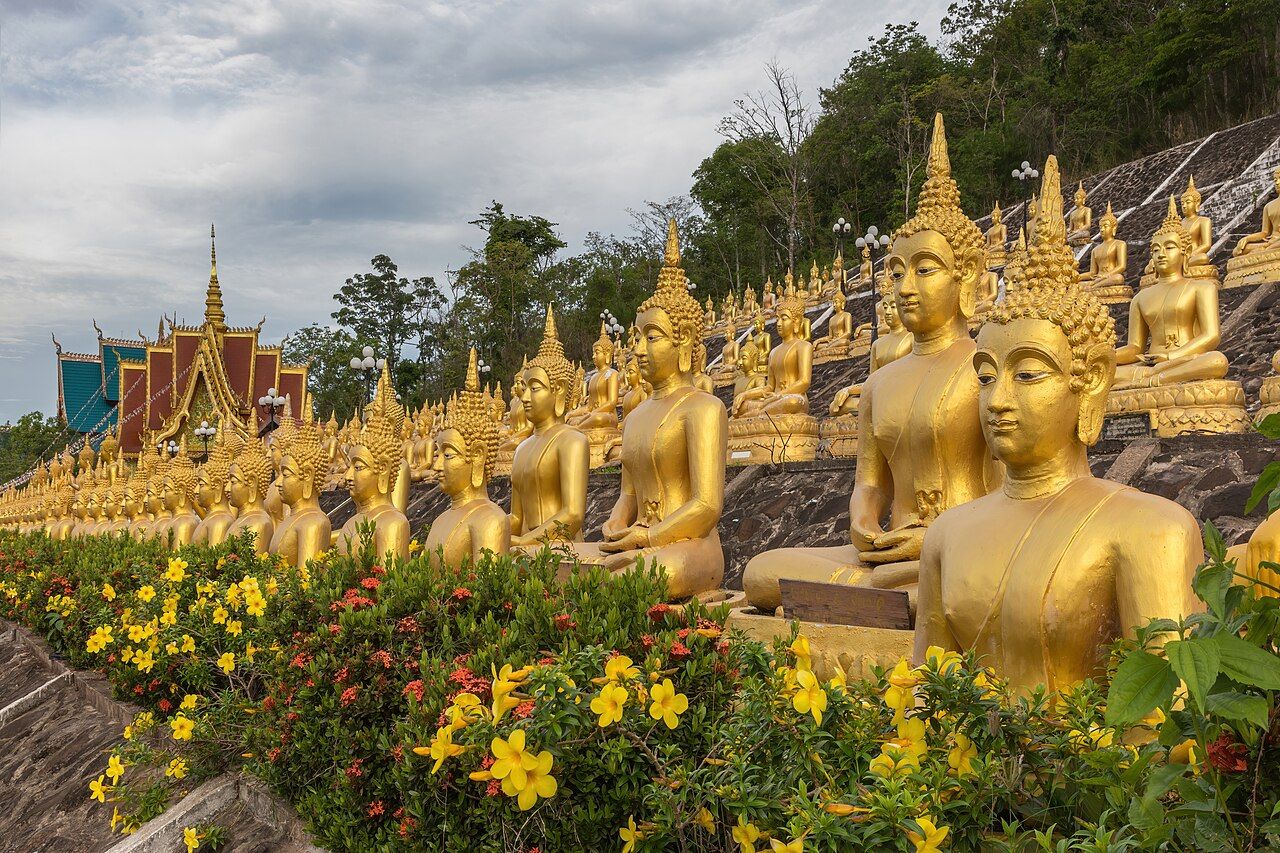

Pakse is a place to begin, not a place to rush through.
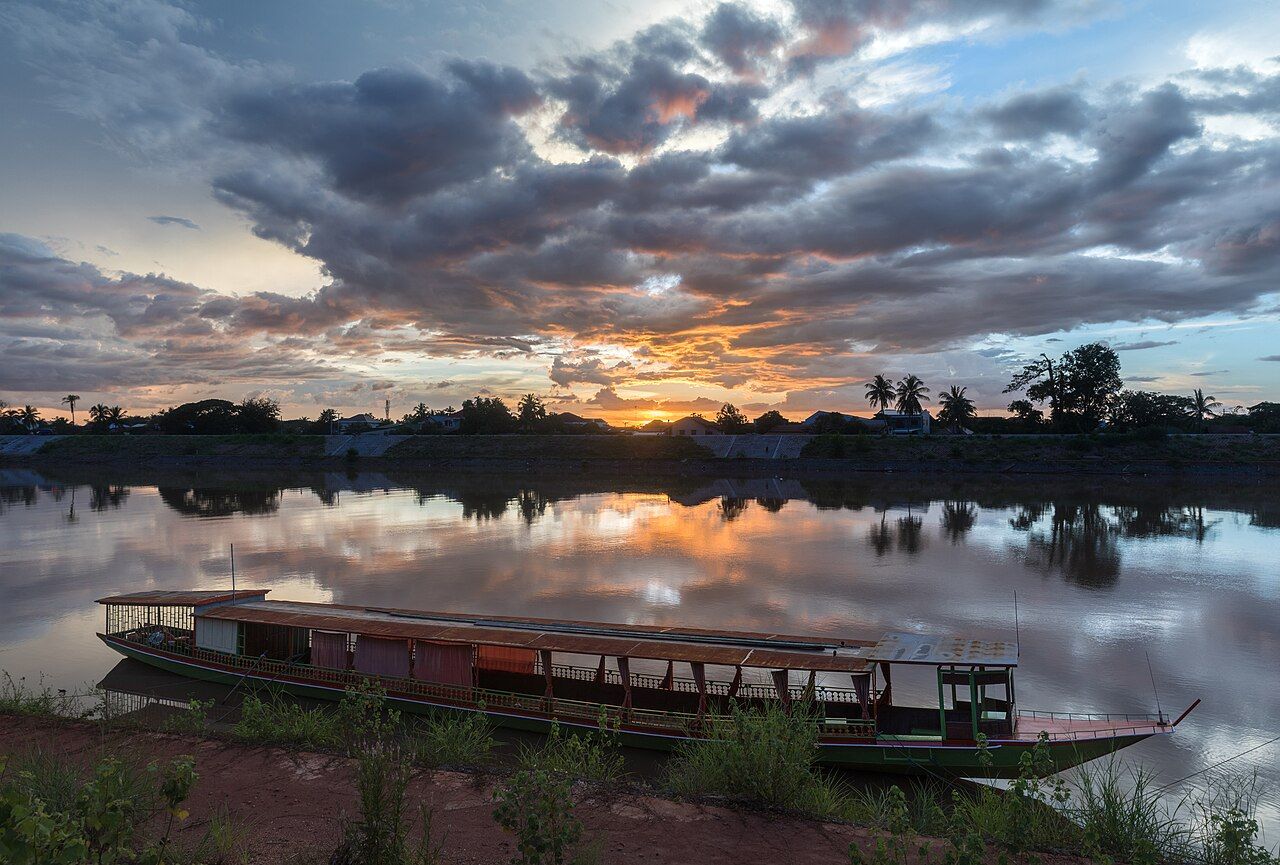

Pakse is a place to begin, not a place to rush through.
For another story from the province, follow the thread over to the museum.