Red Mud and the Rainy-Season Road
Fog, slick soil and flooded crossings change the shape of a ride on the plateau. Round here, shorter distances and a slower pace make sense.
- At its best
- Rainy season
Morning on the plateau can begin in fog thick enough to cut visibility sharply. In the wet season, that is reason to keep the ride modest from the outset. The road is there, but the view ahead may not be. Round here, a day on the bike works better with room in it than with a long distance pencilled in.
The red laterite and basalt soils turn slick when wet. That changes the feel of the road under a motorbike, and there is no clever trick that makes mud behave like a dry surface. Slow the day down. Plan shorter distances, and let the state of the road decide how far the ride goes. A paper map is a good reminder that a line on paper is not the same thing as an easy ride.
As the morning opens up, the smaller falls can be tempting stops. Their unpaved side roads are also where heavy rain can leave a motorbike unable to pass. Keep that in mind before committing to a turn. A short side road can change the whole shape of the day; keep the main plan independent of reaching every fall.
By the middle of the day, the useful question is still how much road remains, not how much ground can be covered. Wet-season riding on the plateau is slower, and days are often planned with shorter distances. That is sensible planning, not a failure to get anywhere. The paper map can stay open, but the plan should have room to shrink.
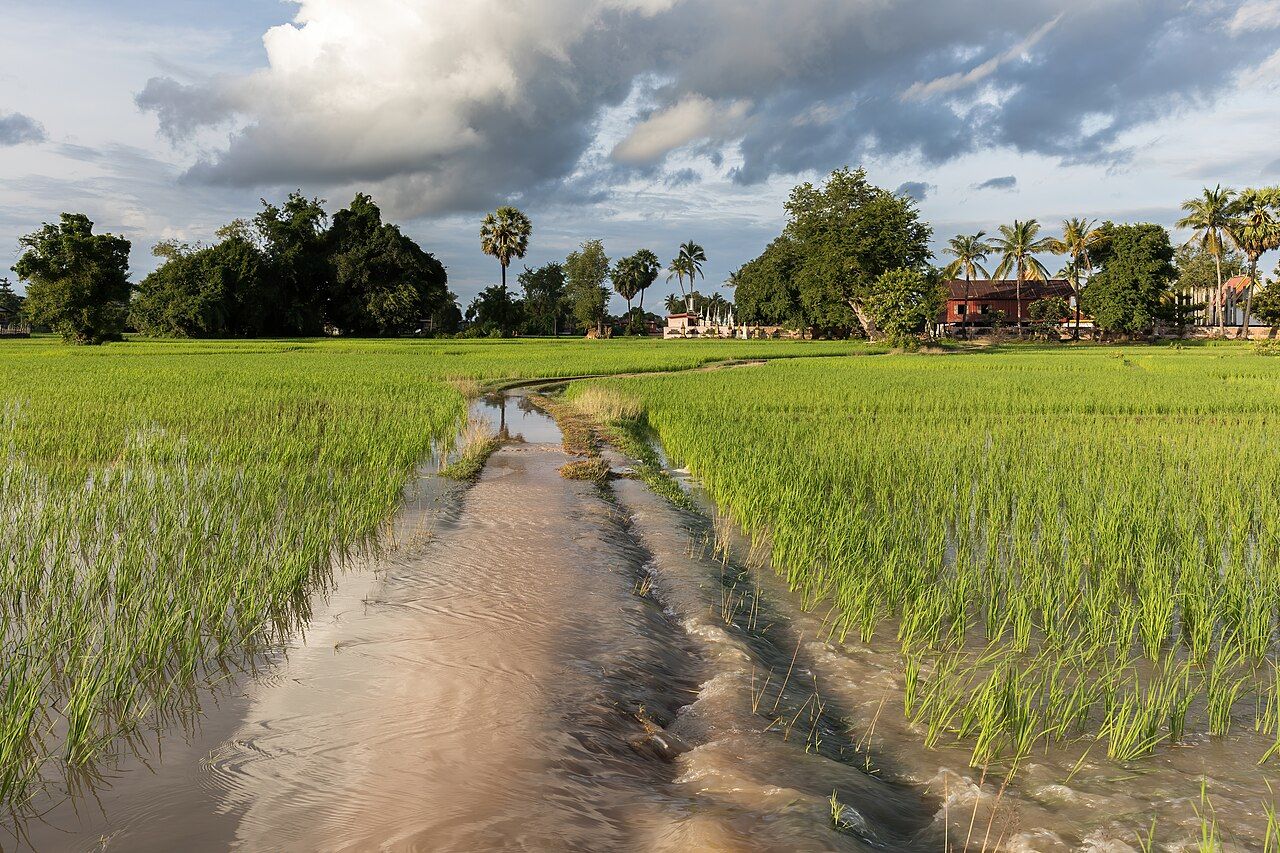
From June to September, afternoon thunderstorms are common on the plateau. After a storm, fords and low bridges on rural roads can flood. Treat a crossing as a decision, not a small detail on the way to the next place. If it has flooded, do not build the rest of the ride around getting through it. A slower day is still a better plan than a route that depends on a passable ford.
Rain that lasts over time brings another road problem: small landslips can block sections of the roads down the plateau edges. They need not cover a whole road to interrupt a ride. Keep the route flexible, especially on those descents, and leave space for the possibility that the road ahead is not clear. The plateau does not owe the map a smooth line.
By evening, the best measure of the day is not how many turns were taken. It is whether the ride stayed within what the road would allow. Shorter distances, a slower pace and a plan that can change are the practical pieces to carry through the wet months. Waterproof bags for documents and phones are standard kit for riders in the wet season; they belong with the day’s essentials, not as an afterthought.
That is the rhythm of a rainy-season ride round here: fog in the morning, mud under the wheels, and a close eye on what storms may leave across the road. For another crossing story, follow the related piece below.