The Mekong’s Last River Dolphins
A day with the map open, following the Irrawaddy dolphins from a border pool known for them to the smaller, sadder story of who remains.
- From Pakse
- About 3 hours by road
- At its best
- Dry season
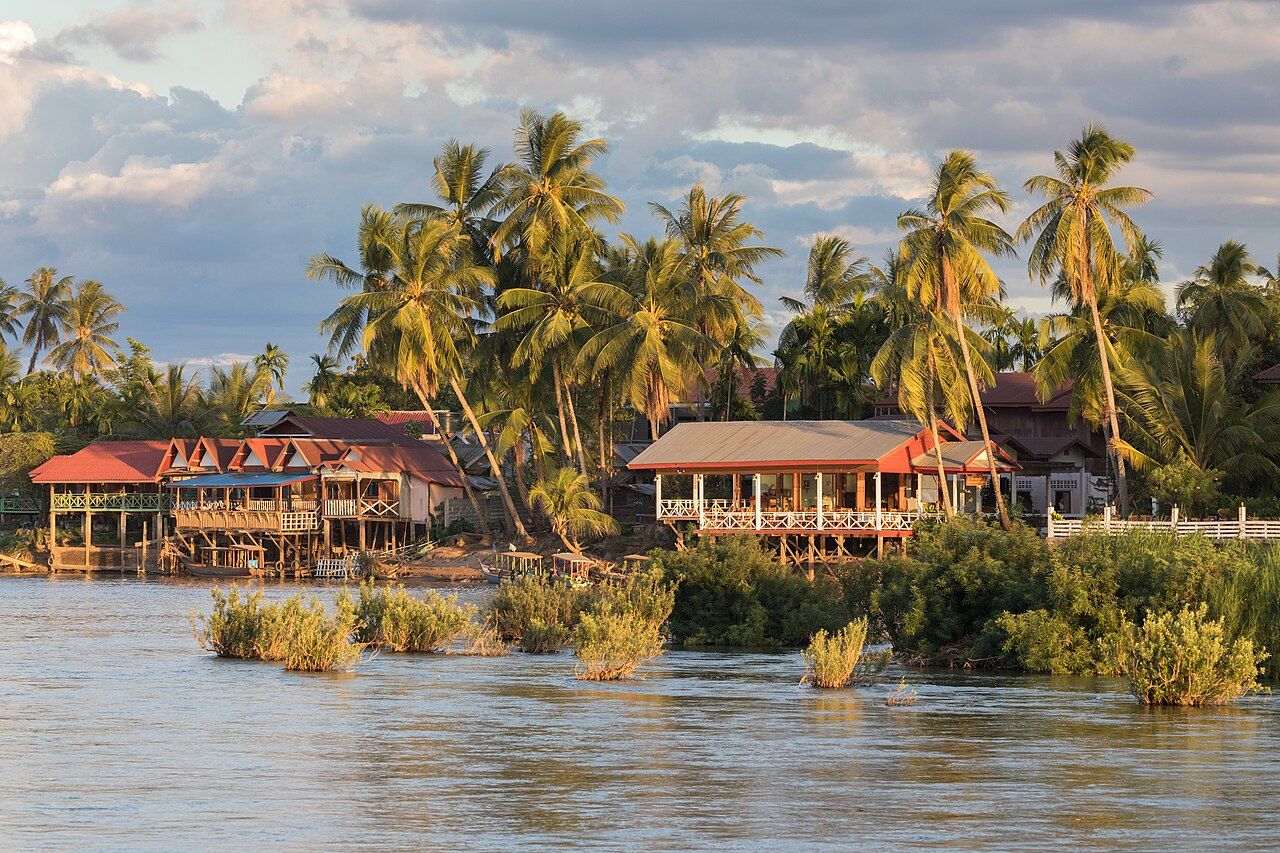
Morning starts with my paper map open to the Mekong. I follow the river south to the Lao-Cambodian border, then look again at the deep pool south of Don Khon. It was long known for its dolphins. The map can make a place seem like a mark you can reach and leave behind. That is too simple for this pool. The story here is about who lived in the river, and who no longer does.
The Irrawaddy dolphin lives in coastal waters and a few large rivers in South and Southeast Asia. The Mekong population lives mainly in deep pools between Kratie and the Lao border in Cambodia. Rounded head, no beak. A description short enough to fit in a margin, if the map had room for such things. It does not tell you what it means to know a stretch of river by the animals it held.
As the morning goes on, I stay with the border pool. It is south of Don Khon, on the Mekong, a place long associated with dolphins. The word “long” does a quiet bit of work. It reaches back across years without giving us a count of them. The deep pool remains on the map; the Lao part of the story does not remain intact.
There is another river story in the dam built across a fish channel. Here, though, the hard fact is not a general warning or a guess at what might happen. In 2022, the conservation group WWF reported that the last Irrawaddy dolphin in the Lao part of the Mekong had died. “Last” is a plain word. It leaves no room for a later sighting to soften the sentence.
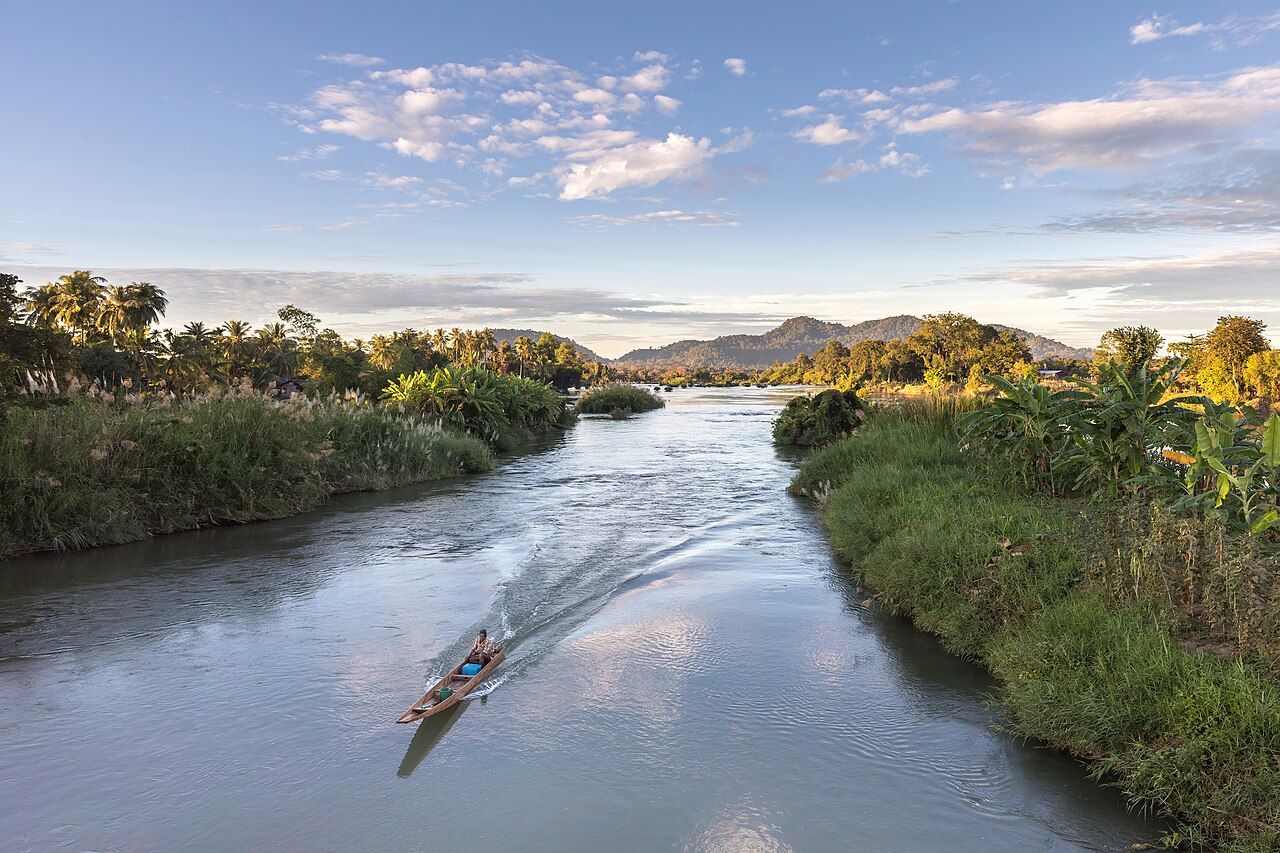

By midday, I have reached the part of the account that is easiest to repeat and hardest to sit with. The last dolphin on the Lao side died. Not the last dolphin in the whole Mekong population. The distinction matters. So does the loss. A border pool long known for dolphins is not the same thing as a population that has vanished from the river altogether, and it would be careless to speak as if it were. I leave that difference clear on the page.
The Mekong population numbered roughly 90 animals in a 2020 census. Roughly 90: a number with a little room around it, but not much comfort. It is a count of the population, not of the dolphins left in the Lao stretch after the 2022 loss. I keep those facts apart. A map is good at drawing boundaries. It is less good at showing how quickly a distinction can turn into the part everyone remembers.
Gillnets are a major cause of death for Mekong dolphins. The cause is known, and the result is a population listed as critically endangered. I dislike how tidy a sentence can look beside such a fact. “Major cause” sounds almost like a label on the map. It is not the whole weight of the matter, but it is one reason this story cannot be told as if the river were only scenery.
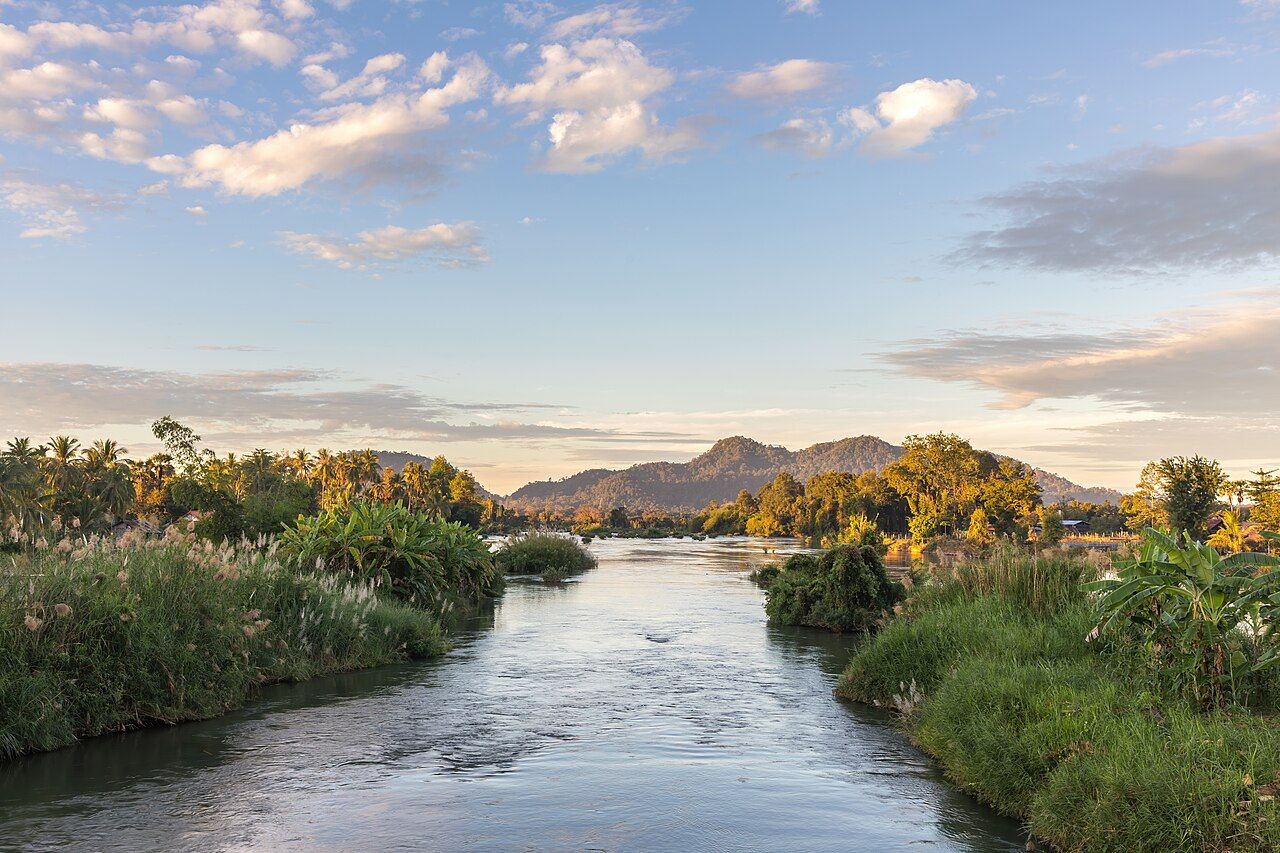

In the afternoon, the river on the page runs downstream into Cambodia. The surviving Mekong population is there, mainly in deep pools between Kratie and the Lao border. That is where the story continues. Not as a happy turn, and not as an answer to the death on the Lao side. A surviving population is still a population under threat; the critically endangered listing says as much without needing a grand phrase around it.
The Irrawaddy dolphin is not hard to describe: rounded head, no beak. I find that plainness useful. It keeps the animal in view as an animal, not a symbol polished smooth for a story. Still, the border pool has become more than a point on my paper map. It holds a clear loss in the Lao part of the Mekong and a remaining population downstream in Cambodia. Both belong in the same telling.
By evening, there is no better ending to add. The last Irrawaddy dolphin in the Lao part of the Mekong died in 2022. The Mekong population survives downstream, mainly in deep pools between Kratie and the Lao border, and it is critically endangered. That is enough to leave the page open a little longer. The map folds along its old crease; the river does not fold with it.
The map folds along its old crease; the river does not fold with it.