Si Phan Don, the Four Thousand Islands
At the southern tip of Champasak, the Mekong opens into channels and islands. A look at Don Khong, Don Det, Don Khon and the villages between them.
- From Pakse
- About 2 hours 30 minutes
- At its best
- Dry season
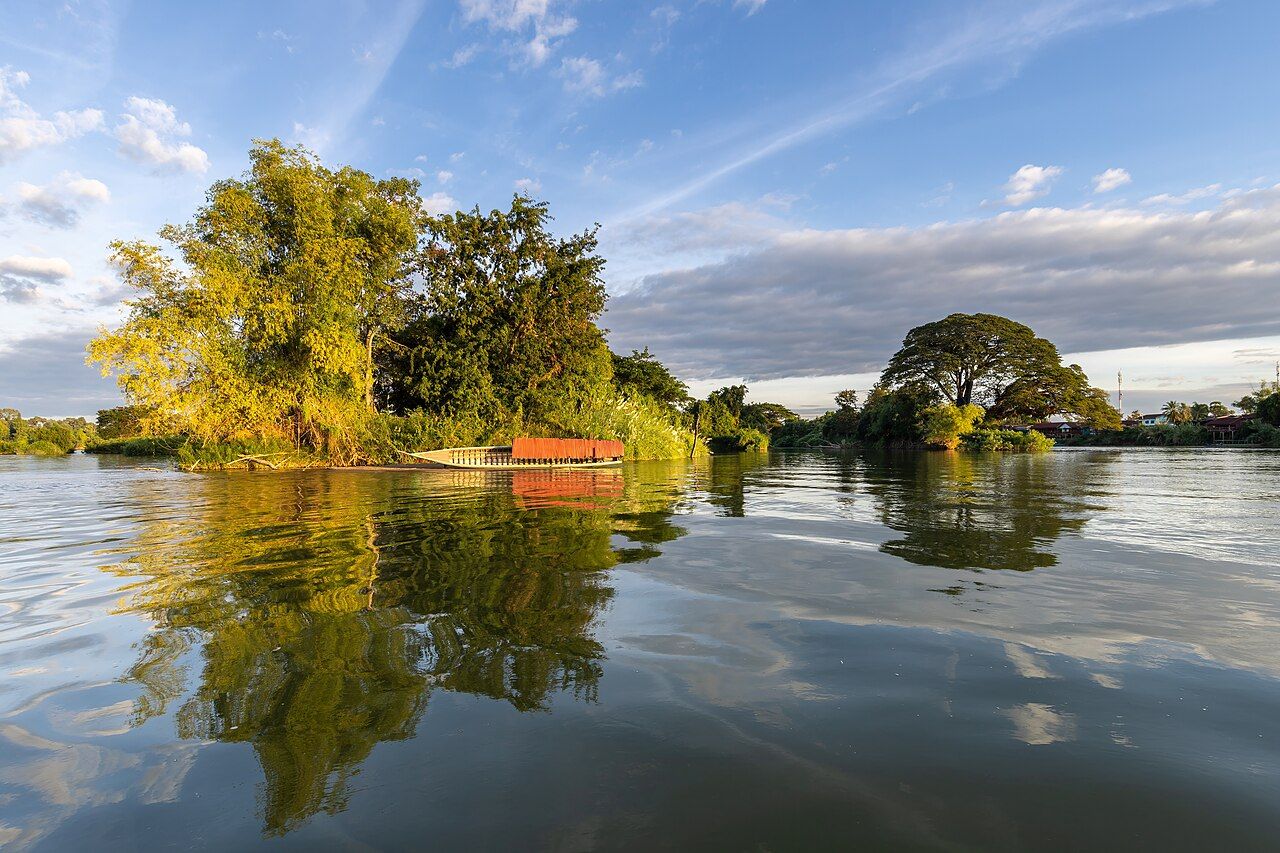
The Mekong comes into view as a river that will not hold one line. At Si Phan Don, water spreads among islands and channels, with the Cambodian border close by. There is room here for a slower way of looking. The river can stay untidy and still make sense.
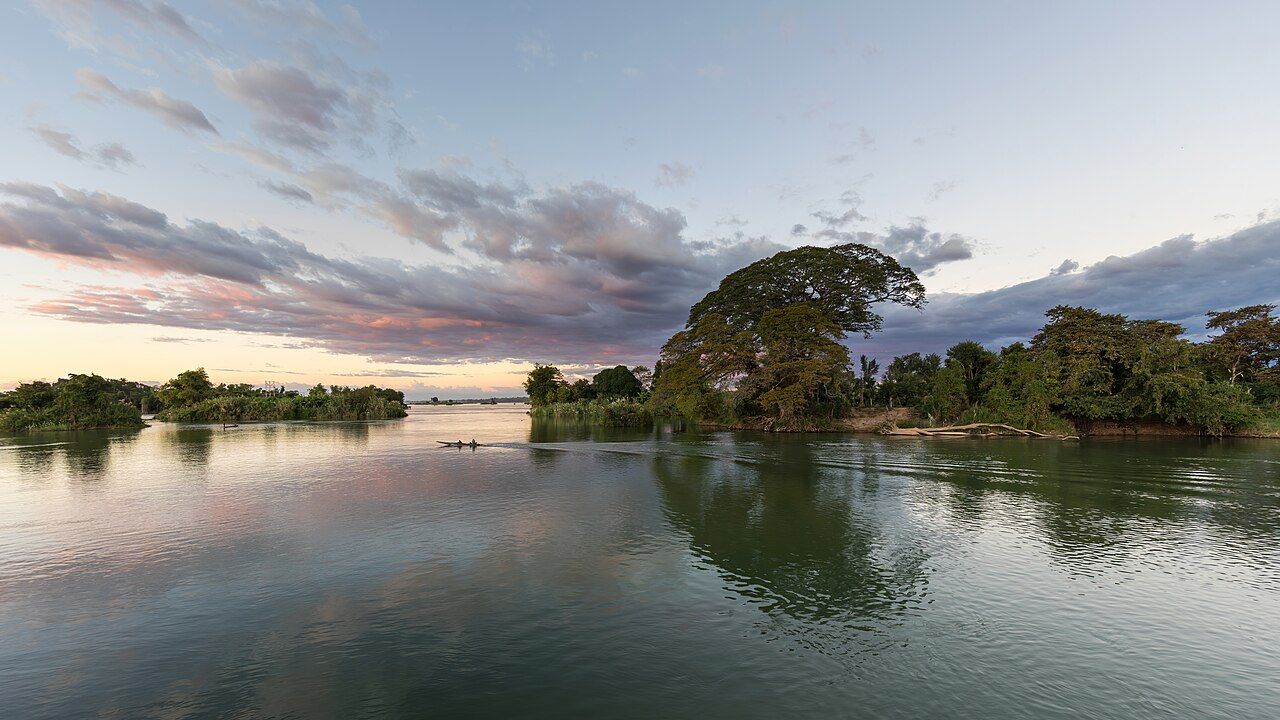

Start with the name. Si Phan Don means “Four Thousand Islands” in Lao. It lies in Khong district, at the southern tip of Champasak province, by the Cambodian border. The islands are not a neat row to count off. The Mekong spreads wide through this part of the country, and the land breaks its flow into channels. I like the name for its scale and its lack of fuss. Four thousand is a way of saying the river has made a lot of room for itself.
The width changes with the season. In the rainy season, the Mekong at Si Phan Don spreads up to about 14 km wide. Many islands disappear under water when the river is high. That changes the picture: what looks like a collection of distinct pieces of land at one level can be covered as the water rises. A fixed outline cannot hold this place. The river sets the terms, and the islands show how much those terms can shift.
Don Khong is the largest island in Si Phan Don. It gives the group a different scale from the smaller islands people tend to name first. I find it useful to hold on to that contrast: one large island, then many smaller ones and the channels between them. The name Four Thousand Islands can sound like a challenge to count. Don Khong is a reminder to pay attention to size as well as number. The whole place is made of differences in scale.
Don Det and Don Khon are two of the most visited islands in Si Phan Don. Don Det, the busiest of the small islands, and Don Khon are reached by boats from Ban Nakasang on the mainland. That crossing is part of the shape of a visit here: mainland, boat, island. The names belong together in conversation, though each island sits differently in the river. No grand itinerary is needed to understand the basic arrangement. The water is what connects them.
The islands are home to fishing and rice-farming villages. That matters to the way I read the landscape. These are not simply patches of land set in water; they are places where people live and work. Fishing and rice farming belong to the same island picture, even if the river makes every channel feel like its own little world. The ordinary work of the villages is part of what gives Si Phan Don its character. I’d rather keep that in view than treat the islands as scenery alone.
Look at the channels and the river’s working life comes into focus. Fishing traps built of bamboo are set between the islands. The waters around Si Phan Don form some of the most important fish migration routes on the Mekong. Those two facts sit close together: the channels are places where fish move, and places where fishing takes place. The river is not just a broad view to admire from a distance. Its movement through the islands has a practical meaning, too.
For a slower day, let the separate parts stay separate in your mind. Don Khong, Don Det and Don Khon are not interchangeable names for one stop. One is the largest island; two are among the most visited, with boats carrying people from Ban Nakasang. Between the islands, the water makes channels, and fishing traps mark some of them. Take the relationships slowly. Si Phan Don makes more sense as a spread-out place than as a single point on a map.
There is a plain way to place it on the larger route: Si Phan Don lies about 150 km south of Pakse along Route 13. Then the road gives way to the island-and-channel pattern of the Mekong. I like that change in scale, from a named route to water that keeps dividing around land. The river is not a single edge here; it spreads into channels, islands and working water.
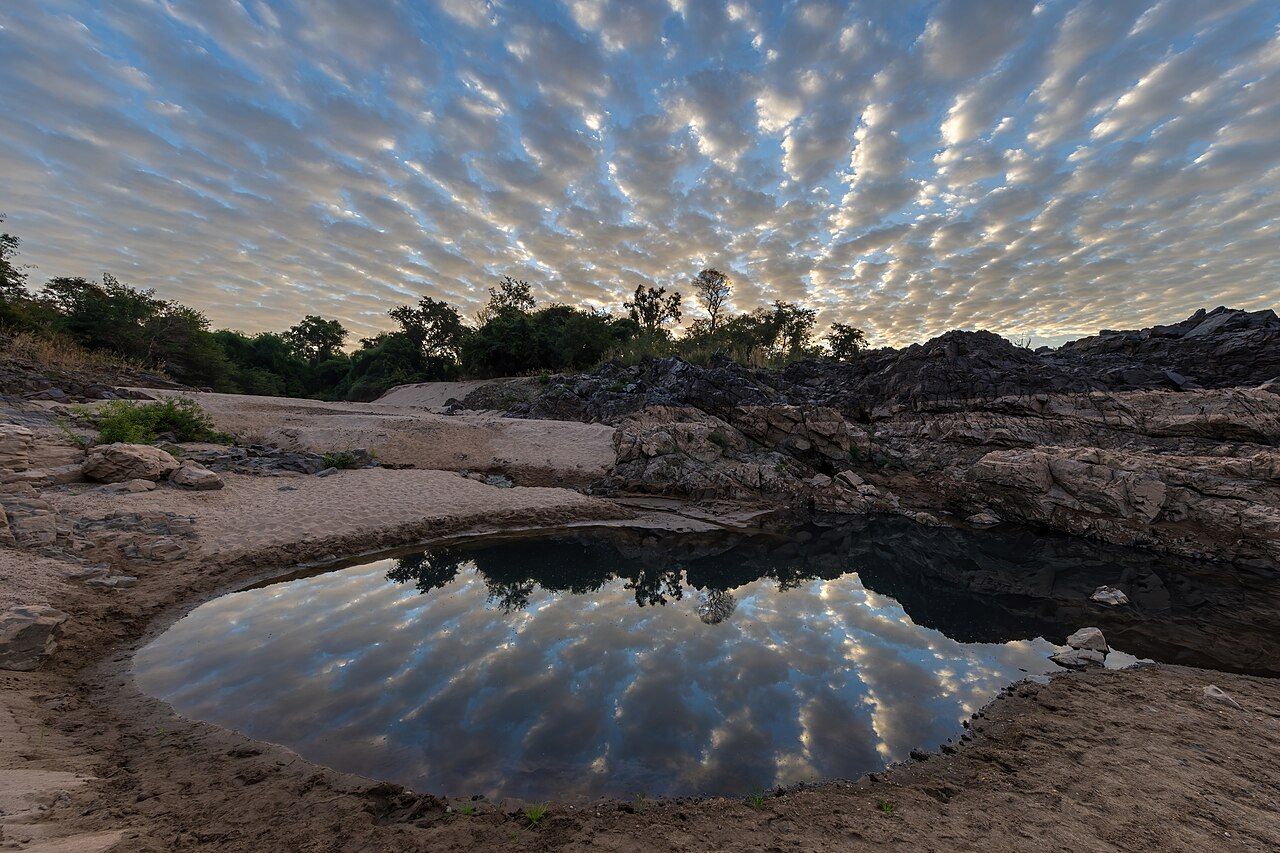

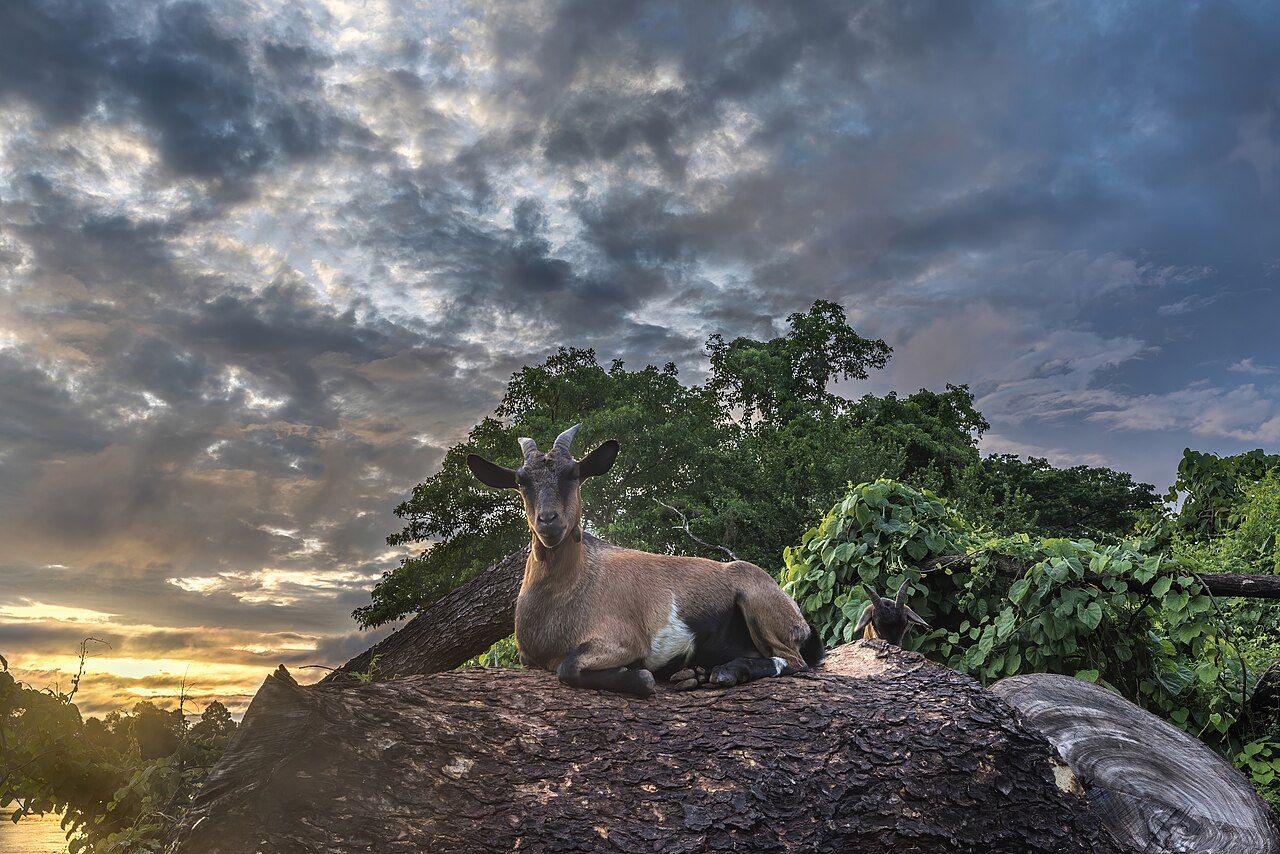

The river is not a single edge here; it spreads into channels, islands and working water.
The falls belong to this same stretch of the Mekong, and make a natural next story to follow from the islands.