UXO in Laos: why staying on cleared paths matters
The American bombing of Laos left unexploded ordnance across the country. A plain account of bombies, clearance work and the ground safest to use.
- At its best
- All year
A path crosses the land, clear enough to follow. Beyond it, the surface may give no useful sign of what happened here. That gap between what we can see and what remains points to the meaning of unexploded ordnance in Laos. The word is shortened to UXO. The history is large; the practical rule is plain.
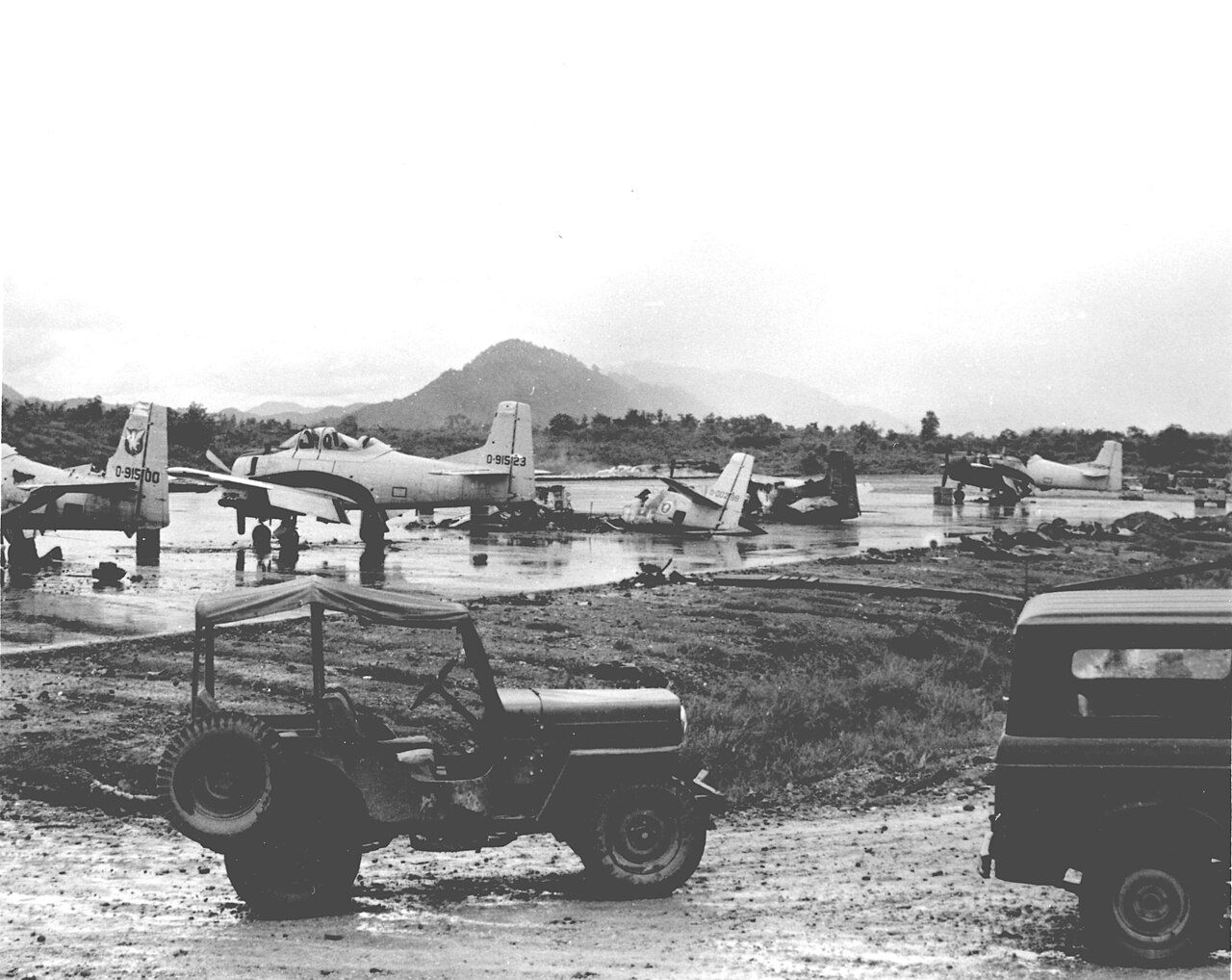
The United States flew about 580,000 bombing missions over Laos between 1964 and 1973. More than two million tonnes of ordnance were dropped during the war. Laos is considered the most heavily bombed country per person in history. Those figures are hard to hold in mind, and they describe more than a past campaign. They help explain why UXO is still part of life across the country, including on the plateau and in the east. It is not an old story with a neat ending.
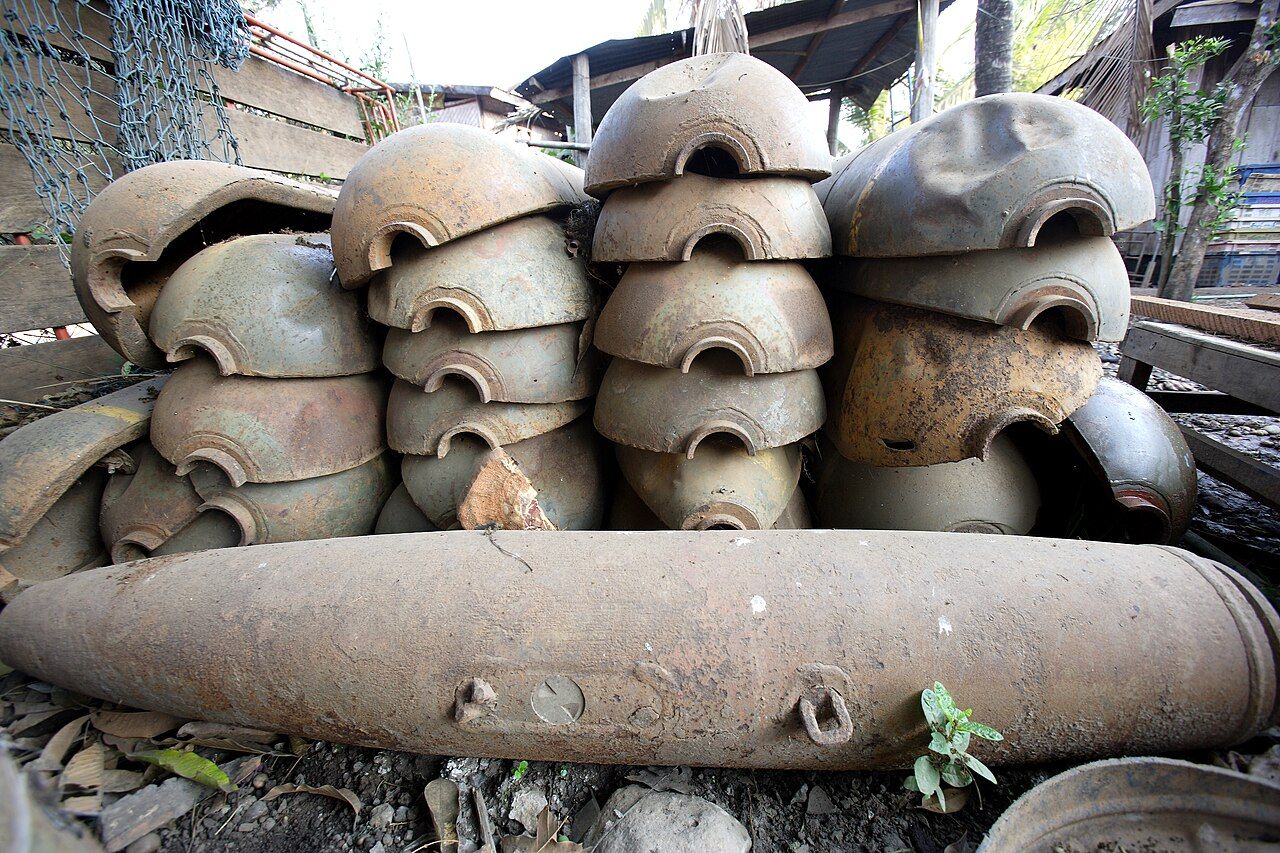
UXO means unexploded ordnance: ordnance that did not explode as intended. Cluster submunitions, known locally as ‘bombies’, were among what fell. About 270 million bombies were dropped on Laos, and up to about 30 percent failed to explode. That leaves a plain and serious meaning behind the short name. A bomb that did not go off is not harmless. It remains a danger, even though the bombing missions belong to the years between 1964 and 1973.
The contamination is not spread evenly. Salavan, Sekong, Attapeu and Champasak are among the provinces with heavy UXO contamination. That list gives a useful sense of the places affected, but it is not a line on the ground that makes one side safe and another unsafe. On the plateau and farther east, the important thing is to know that UXO is a present concern, not just a chapter of wartime history. A familiar-looking stretch of land is not proof that it has been cleared.
Unexploded ordnance still kills and injures people in Laos every year. Many of those hurt are children and farmers. That sentence should stay plain, because the harm is current and real. The effects are not limited to a memory of the war or to a mark on a map; people continue to be harmed. In rural Laos, scrap metal from bombs is still collected and sold, sometimes with fatal results. That detail makes the danger especially plain: the metal can have value, but it can also still be deadly.
Clearance matters because people need ground they can use. Cleared paths, roads and village land are the safest ground in contaminated areas. The word “cleared” matters here. A route is not safe simply because it looks well used, and land beside a road is not the same as the road. Staying on cleared paths is not fussy advice. It is a way to keep to ground that has been identified as safer, rather than making a guess across uncleared land.
Laos has a national clearance operator, UXO Lao, which was set up in 1996. The National Regulatory Authority for UXO/Mine Action was set up in 2006 to coordinate the sector. Those are different roles: one is the clearance operator, and the other coordinates the work across the sector. The dates show that organized work has been part of the response for decades. They do not make the remaining danger disappear. UXO still kills and injures people every year, so clearance remains a present need.
Laos ratified the Convention on Cluster Munitions in 2009 and hosted its first Meeting of States Parties in 2010. Those steps belong in the account, alongside the scale of the bombing and the work of clearance. They are part of how the country has addressed the legacy of cluster munitions. But a convention, a meeting and a clearance programme are not the same thing as every contaminated place being safe. The ground that has been cleared is what matters when choosing where to walk.
For anyone travelling across the plateau or into the east, keep the distinction simple: use cleared paths, roads and village land in contaminated areas. Cleared paths, roads and village land are the safest ground in contaminated areas. That is the useful point to carry with you, not a guess based on how ordinary the ground looks. Round here, an old route can look like just a route. The safest choice is still the cleared one.

Cleared paths, roads and village land are the safest ground in contaminated areas.
There is another story to follow below.