How to Visit Plateau Villages with Respect
A village visit begins with noticing what is shared and what is not: the work of daily life, local customs, and the boundaries outsiders should keep.
- From Pakse
- About 1 hour by road
- At its best
- Any season
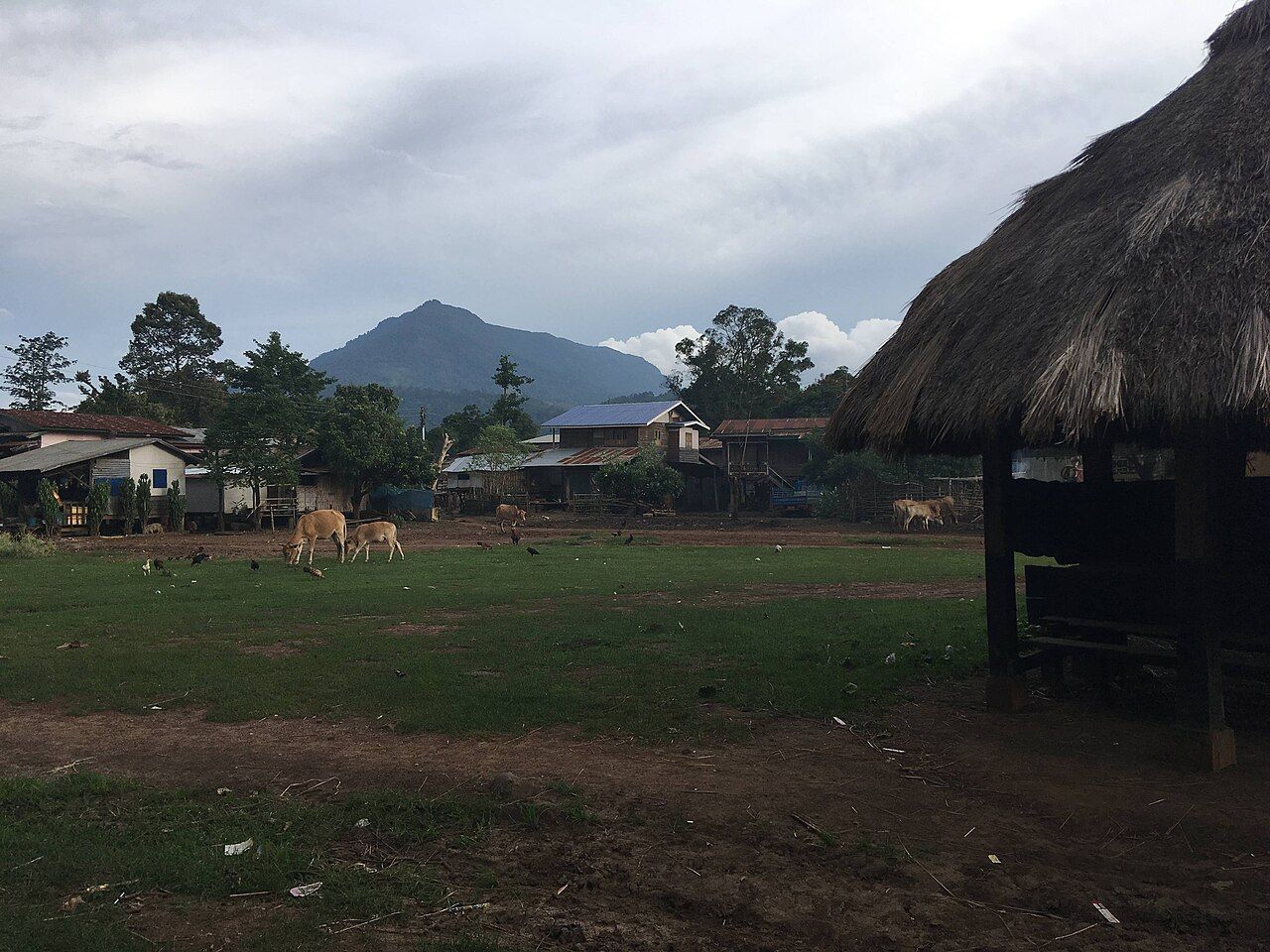
A village on the Bolaven Plateau may be surrounded by coffee, rice, vegetables and livestock, with daily life shaped by more than one tradition. There is no single village pattern to arrive expecting. The plateau is home to several Mon-Khmer speaking peoples, including the Laven, Alak, Katu and Ta Oy. Start with that variety in mind. A visit is not a chance to turn one household or custom into a picture of everyone.
The steps are simple, though simple does not mean careless. Round here, respect begins before a camera comes out and continues wherever a village marks a boundary.
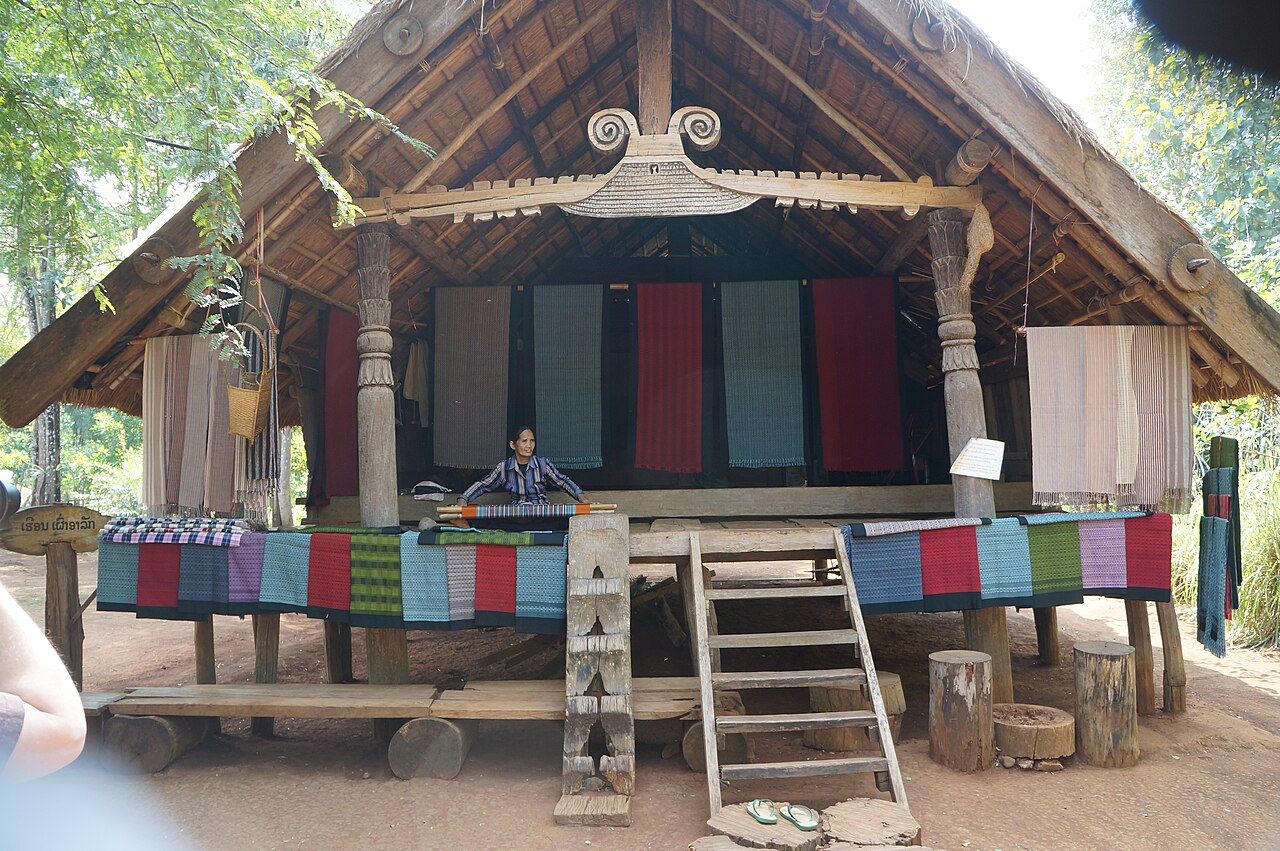

Begin with the people, not a label. The Laven gave the plateau its name, but they are not the only people who live here. The Alak, Katu and Ta Oy are part of the plateau’s communities too. The Laos government officially recognises 50 ethnic groups. That figure gives a broad sense of the country’s diversity, not a shortcut to understanding any one village. Read about the people who gave the plateau its name, then keep in mind that names alone do not tell the whole story.
See the village in its ordinary setting, not as a display. Many plateau villages combine coffee growing with rice, vegetables and livestock. Those parts belong together in the ordinary shape of village life. A visitor can notice them without treating every field, animal or household as something arranged for an audience. Keep the distinction clear: seeing a way of life is not the same as being entitled to enter every part of it.
Notice the layout without assuming it is universal. Some Alak and Katu villages were traditionally built in a circle around a communal house. That is a useful detail to know, and not a rule for every village or every present-day arrangement. Let the village show its own shape. The communal house matters as more than a point of reference; it belongs to a way of organizing village life. A respectful visit does not turn that detail into a claim about everyone on the plateau.
Keep belief in view alongside the visible work of farming. Animist beliefs and ancestor spirits remain important in many plateau villages alongside Buddhism. These are not separate facts to file away from village life. They can inform the meaning of places and practices. Outsiders should not enter spirit houses or sacred groves that a village marks as places to keep out of. If a place is marked, the practical answer is to stay outside it, rather than treating the boundary as a suggestion.
Ask before photographing people. Asking before photographing people is expected courtesy in plateau villages. A camera can make a quick record, but the person in front of it is not scenery. The question is a small pause before taking a picture, and it leaves the choice with the person being photographed. If the answer is no, or there is no clear permission, let the camera stay down. That is enough; no long explanation is needed.
Remember that village locations and family histories are not always settled in one place. Many plateau families moved during or after the war, and some villages were resettled near the main roads. That history is a reason not to make assumptions from a village’s position or appearance. A settlement beside a road is still a home, not a stop created for visitors. Move through the visit with that distinction in mind, and leave space for people to carry on with their day.
Use broad facts carefully. The Lao Statistics Bureau runs the national population and housing census, held in 1985, 1995, 2005 and 2015. Those are census years, not a description of the people in front of you. The figures and categories used for a whole country cannot replace the more immediate courtesy of paying attention to the place and its boundaries. A general account can help with context; it cannot speak for every household.
Finish by leaving the village as a village, not a checklist. The practical choices are modest: understand that the plateau has several peoples, avoid treating one tradition as universal, seek permission for photographs, and stay outside marked sacred places. None requires a special performance. They simply keep a visit from taking more than it should.
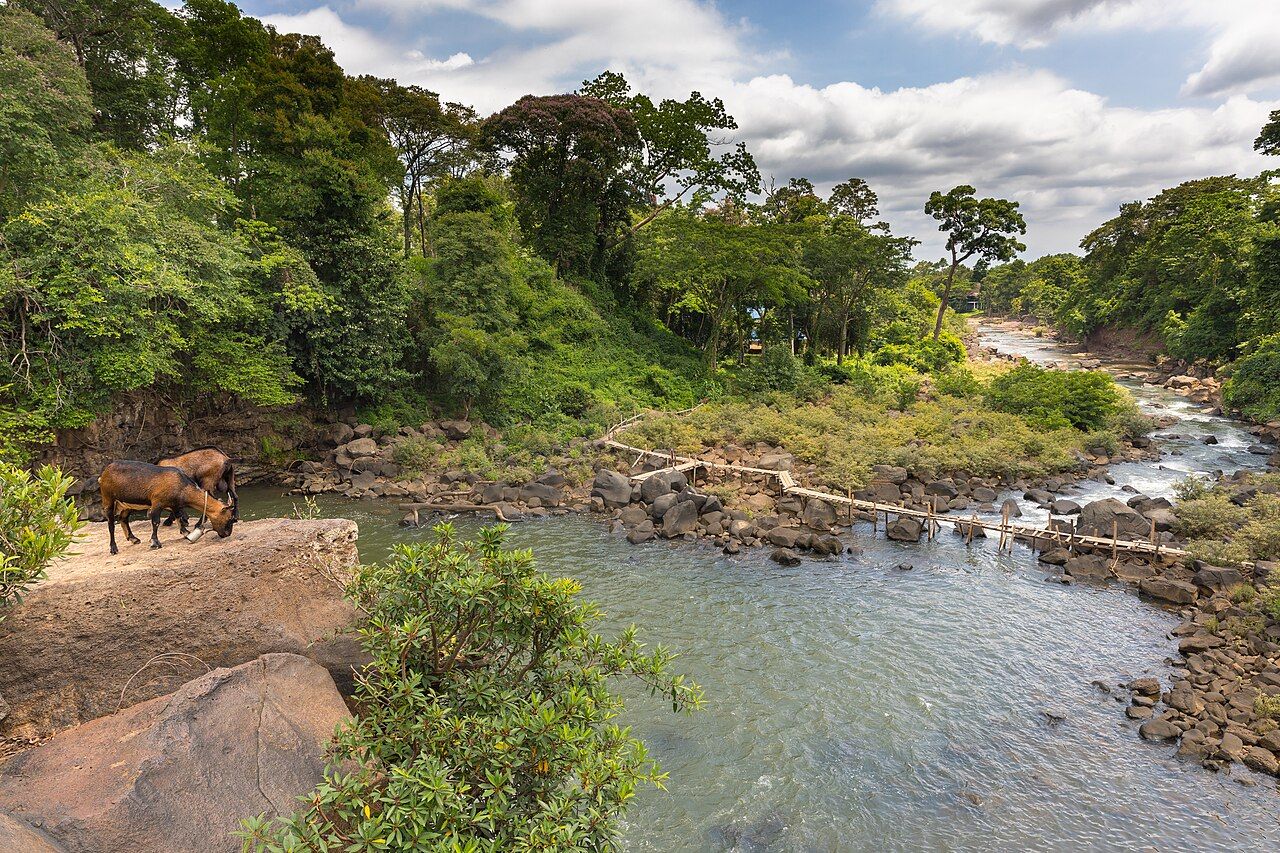

There is plenty to notice without crossing a boundary: coffee growing alongside rice, vegetables and livestock; a communal house at the centre of some village layouts; the variety of peoples who call the plateau home. Those details can sit together without making every village the same. A small closing thought to carry along: let a marked place remain marked, and let village life carry on around it.
Asking before photographing people is expected courtesy in plateau villages.